💸 Dividends protect your downside
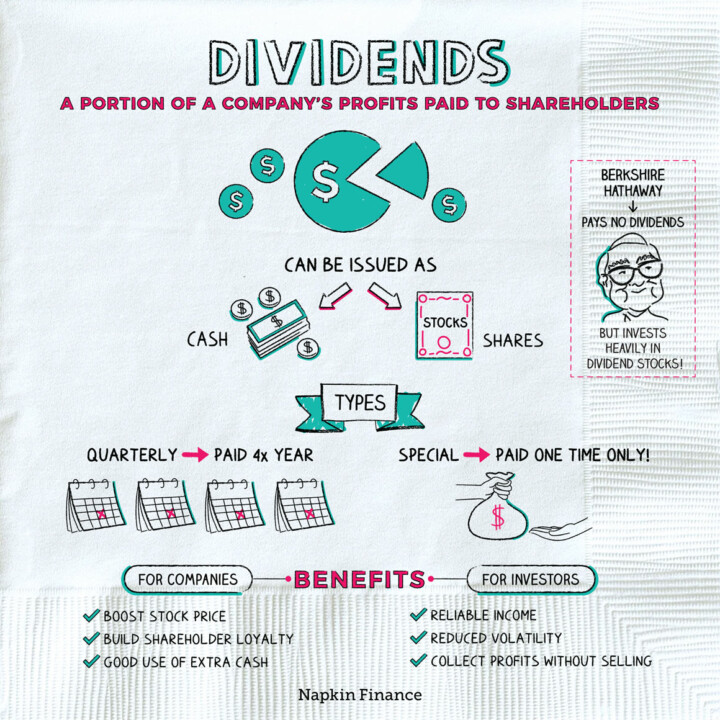
Every Wednesday it’s Dividend Day.
In this series, I will teach you 5 things about dividend investing in less than 5 minutes.
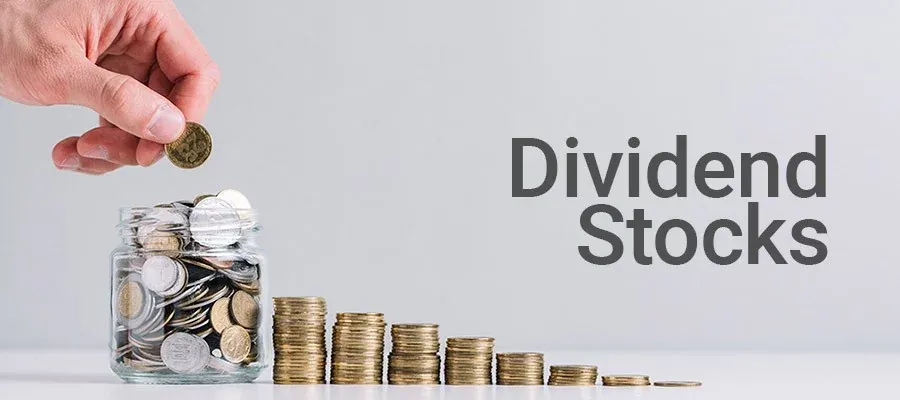
1️⃣ Dividends Made Simple
Investing might feel complex, but dividends are easy to understand.
Dividends are just a way for a company to share its profits with people who own its stock.
Here's a quick, simple explanation:
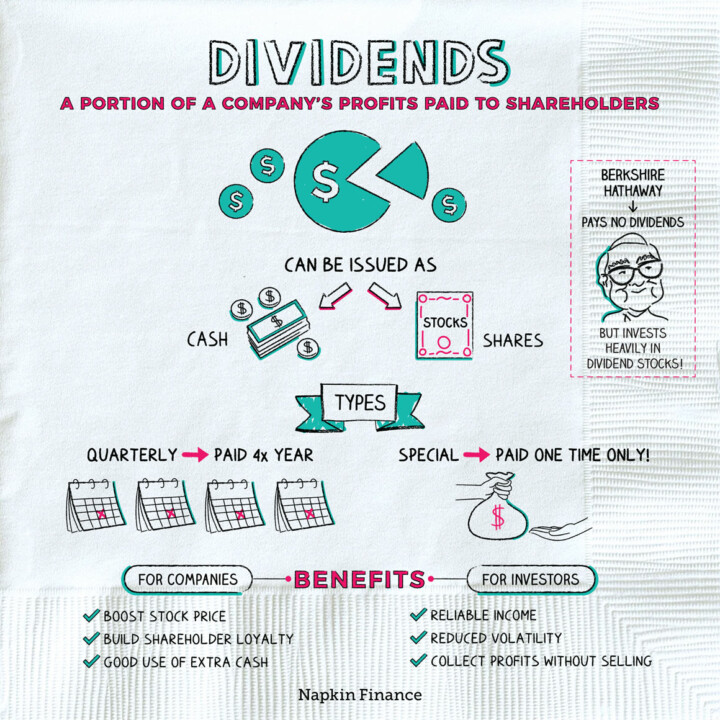
2️⃣ Don’t Lose Money
Warren Buffett once said:
"The first rule of an investment is don't lose money. And the second rule of is don't forget the first rule.” - Warren Buffett
The image shows how much you need to gain to compensate for a loss.
Dividends help you earn money, no matter what happens to the share price.
3️⃣ A dividend quote
Return OF Capital is more important than Return ON Capital.
Dividends are one way companies give money back to shareholders.
On Saturday, we'll talk about another method we like.
“I am more concerned about the return of my money than the return on my money.” - Mark Twain

4️⃣ Dividends Protect Your Investment
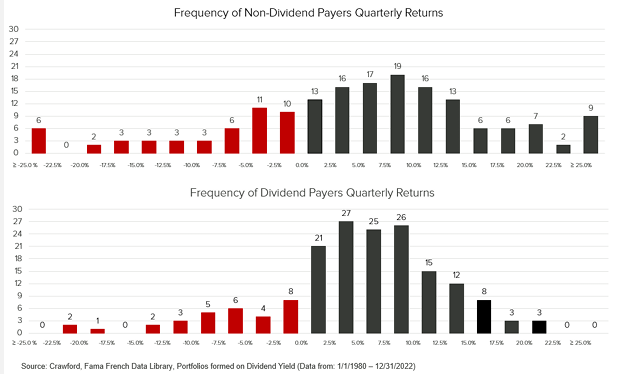
Dividend-paying stocks usually drop less when the market falls.
Here’s why:
- Dividend returns are always positive.
- Companies that pay dividends are often stable and profitable.
- Investors often buy more dividend stocks when the market is down.
The image shows how often dividend-paying stocks and non-dividend stocks have negative returns.
It’s from a Crawford Investment Counsel report about how dividends protect against losses.
Click the image to view the full PDF.
Source: Crawford Investment Council
5️⃣ Example of a dividend stock
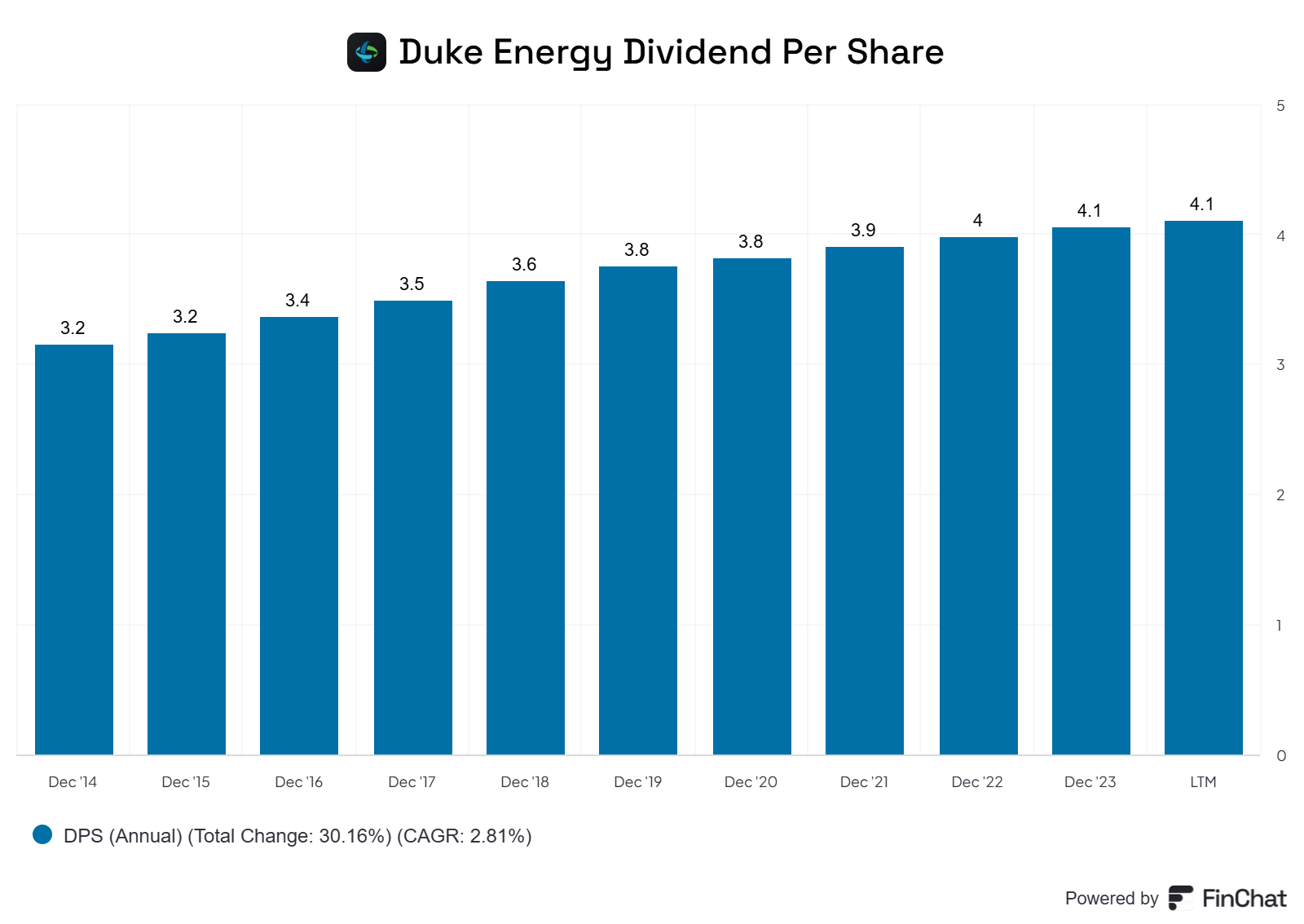
We’ve been discussing how to protect against losses, so let’s look at a defensive stock: Duke Energy.
Duke Energy provides electricity and natural gas to homes and businesses.
Utility companies like Duke are good defensive stocks because they offer services people always need, like electricity and water. Also, rules help them keep steady income.
- Profit Margin: 14.5%
- Forward PE: 18.7x
- Dividend Yield: 3.7%
- Payout Ratio: 70.5%
Source: Finchat
That’s it for today
In case you missed it:
Used sources
- Interactive Brokers: Portfolio data and executing all transactions
- Finchat: Financial data