💸 Do You Make These 4 Dividend Investing Mistakes?

Dividend investing is awesome.
You get paid to own companies, and if you pick the right ones, those payments can grow every year. Over time, that’s how real wealth gets built.
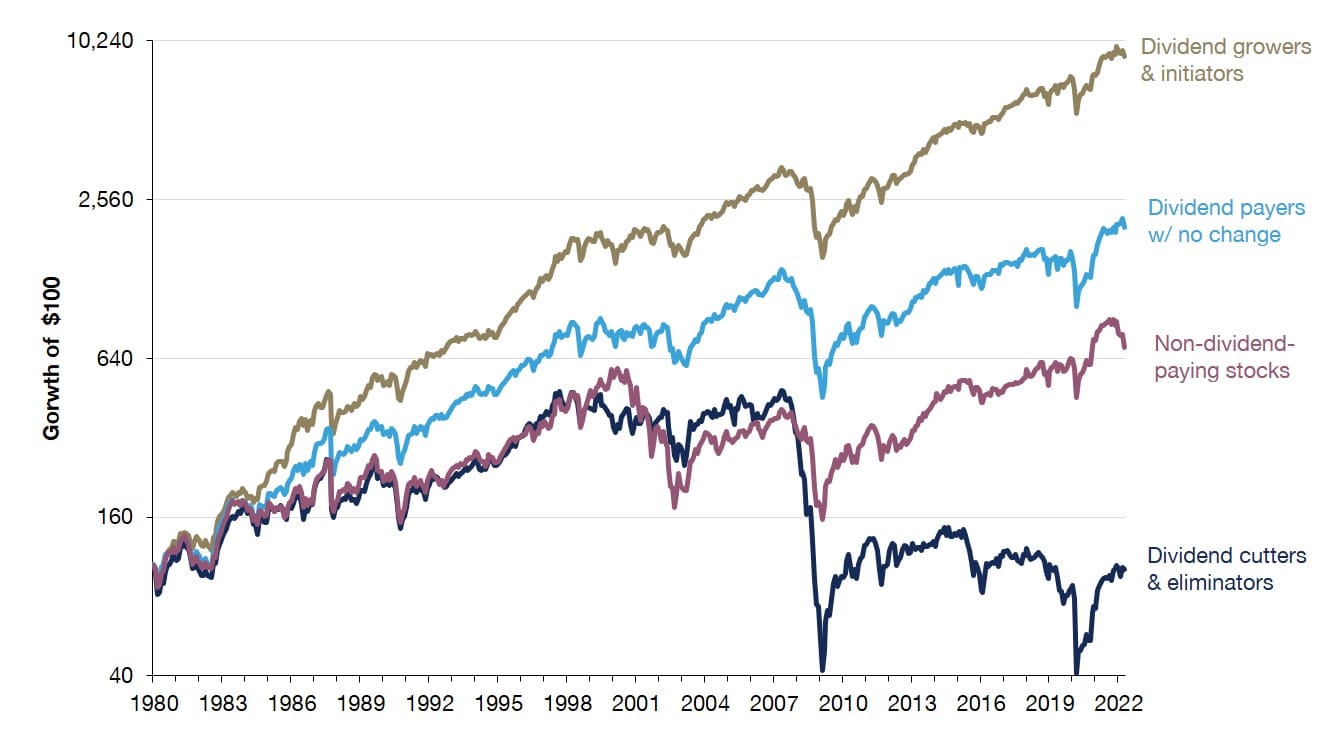
But… a lot of new (and old) investors make the same mistakes.
I’ve made a few of these myself.
Mistakes are great teachers. James Joyce called them portals of discovery.
The good news is that you don't have to make the mistake to learn from it:

So today, let’s learn from 4 common mistakes you’ll want to avoid if you’re serious about dividend investing.
1️⃣ Chasing High Yield
It’s easy to get sucked in by a big juicy yield.
You see 8% or 10% and think, “that's the long-term market average, every year in cash!”
Or at least I do.
I've written about this mistake before, and I put it as #1, not just because it's a very common mistake, but also because it's one that I'm vulnerable to.
When you get tempted, remember: a very high yield is often a warning sign, not a gift.
It can be a sign that the company is struggling, overpaying dividends, or both.
And if that dividend gets cut, the stock price usually drops too.
Double hit.
Example:
Kraft Heinz had a dividend yield of close to 6% in 2018.
Investors who looked closely would have seen that Kraft Heinz was paying out more cash than it was earning.
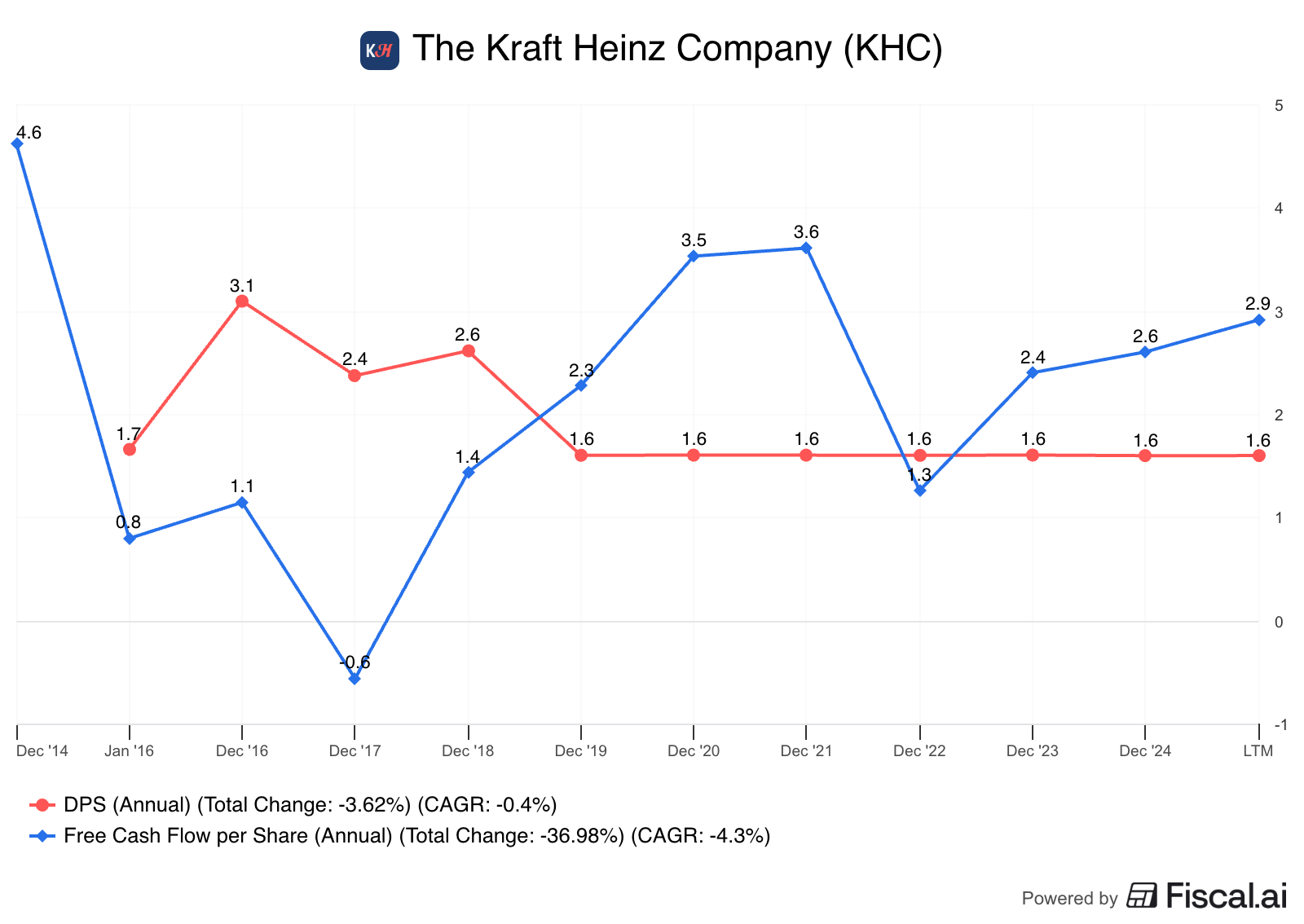
A year later, the dividend was cut.
The lesson: Treat high yield as a red flag to dig deeper. Check revenue, earnings, debt, and the payout ratio before buying.
2️⃣ Buying for the Dividend, Not the Business
Some people treat dividend stocks like ATMs.
They only look at the yield and don’t care what the company actually does.
Big mistake.
Dividends come from profits. If you don't have a strong busines, you don't have a reliable dividend. It’s that simple.
Example:
For years, people bought AT&T just for the fat dividend.
The company was loaded with debt, and its core business wasn’t exactly thriving.
In 2022, AT&T finally cut its dividend — and the stock price dropped right along with it.
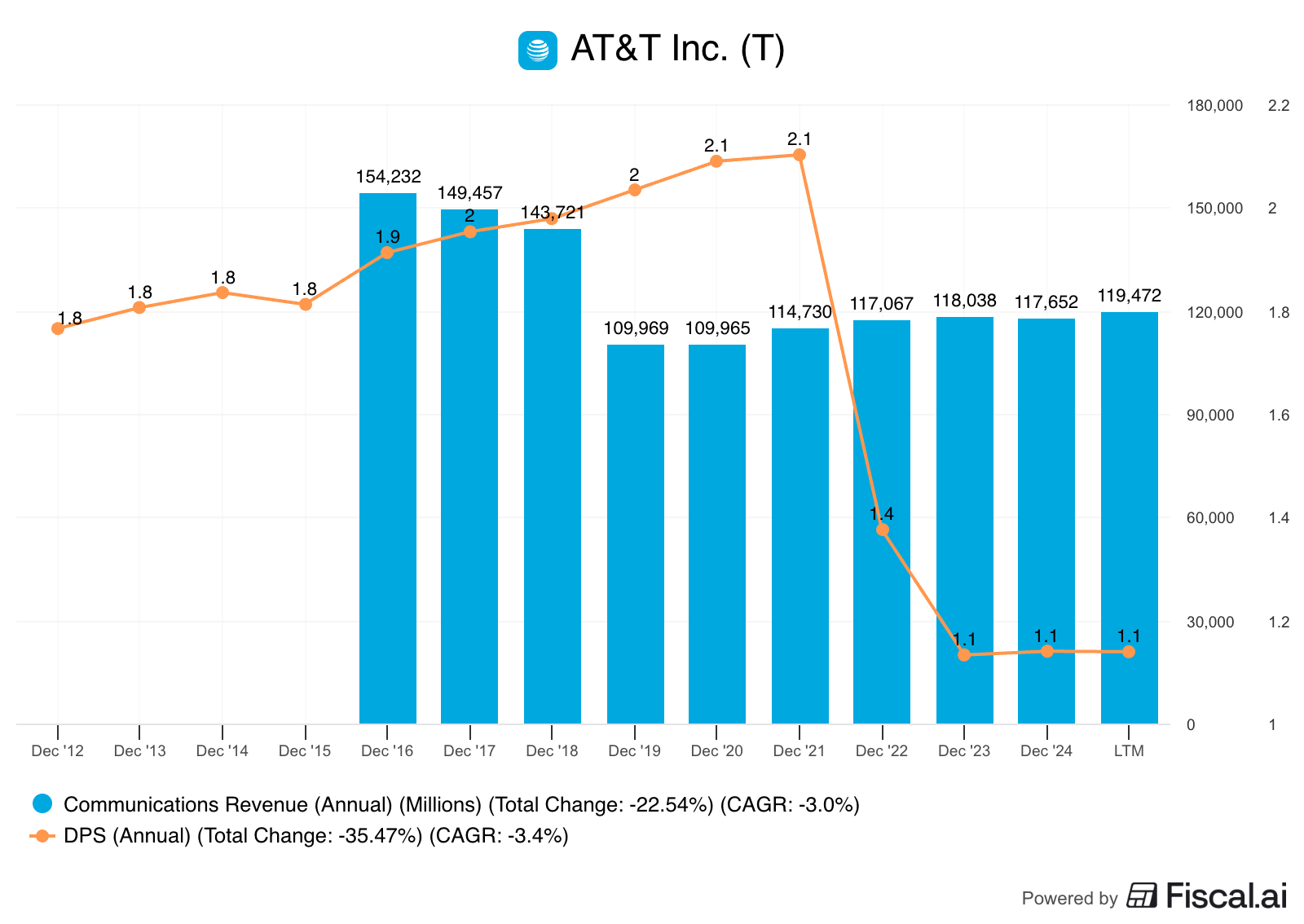
Investors who only looked at the yield were blindsided.
But anyone paying attention to the business saw warning signs years earlier.
The lesson: If it's not a business you'd want to own in real life, don't buy the stock.
You don’t need to become a full-time analyst but you should understand the basics:
- How does the company actually make money?
- Do they have a real advantage?
- Is their industry stable?
3️⃣ Ignoring the Payout Ratio
The payout ratio tells you how much of a company’s profit is going to dividends.
When this number is too high, it’s a sign the dividend might not be sustainable.
A rough rule of thumb: keep it under 60% for most companies.
Some industries (like REITs) can go higher, but even then, watch the trend.
If the ratio keeps climbing, that’s a red flag.
Checking this one number can save you a lot of pain.
Example:
For decades Shell was seen as one of the safest dividend payers on the planet.
They hadn’t cut their dividend since World War II.
Bu the company paid out more in dividends than it earned for years.
In 2020, when the pandemic dried up oil demand, they finally had to cut the dividend.
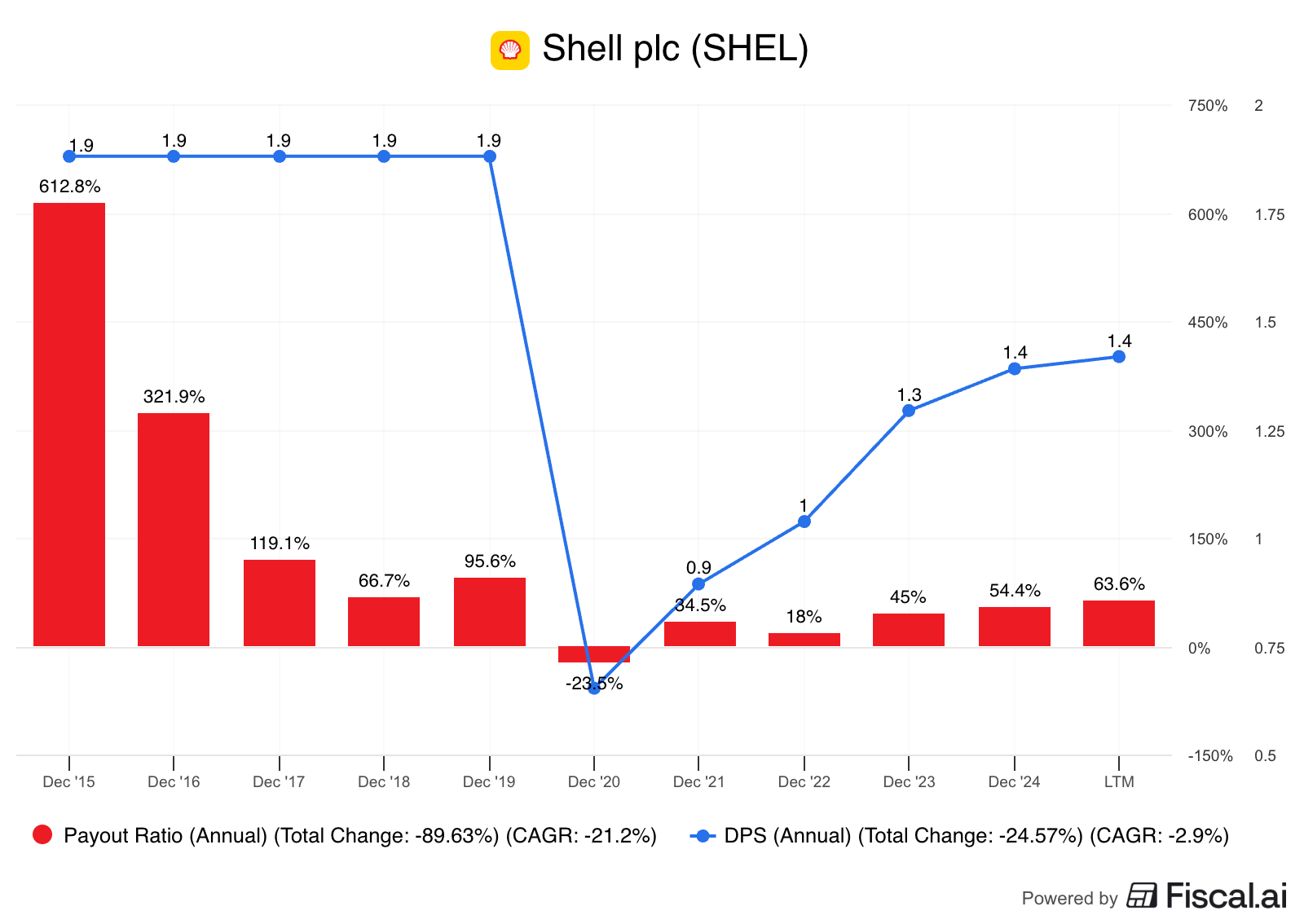
The lesson: Watch how much profit the company is paying out. It’s good to get our share as owners, but not so much that it hurst the long-term health of the business.
4️⃣ Trying to Time the Market
Everyone wants to “buy at the bottom.”
In reality, almost nobody gets it right, not even the pros.
Waiting for the “perfect” time often means you sit on the sidelines while good companies keep paying and raising their dividends.
Example:
Think back to March 2020.
When the market crashed, plenty of investors "waited for the bottom.”
But the rebound came fast. Within weeks, prices were climbing again.
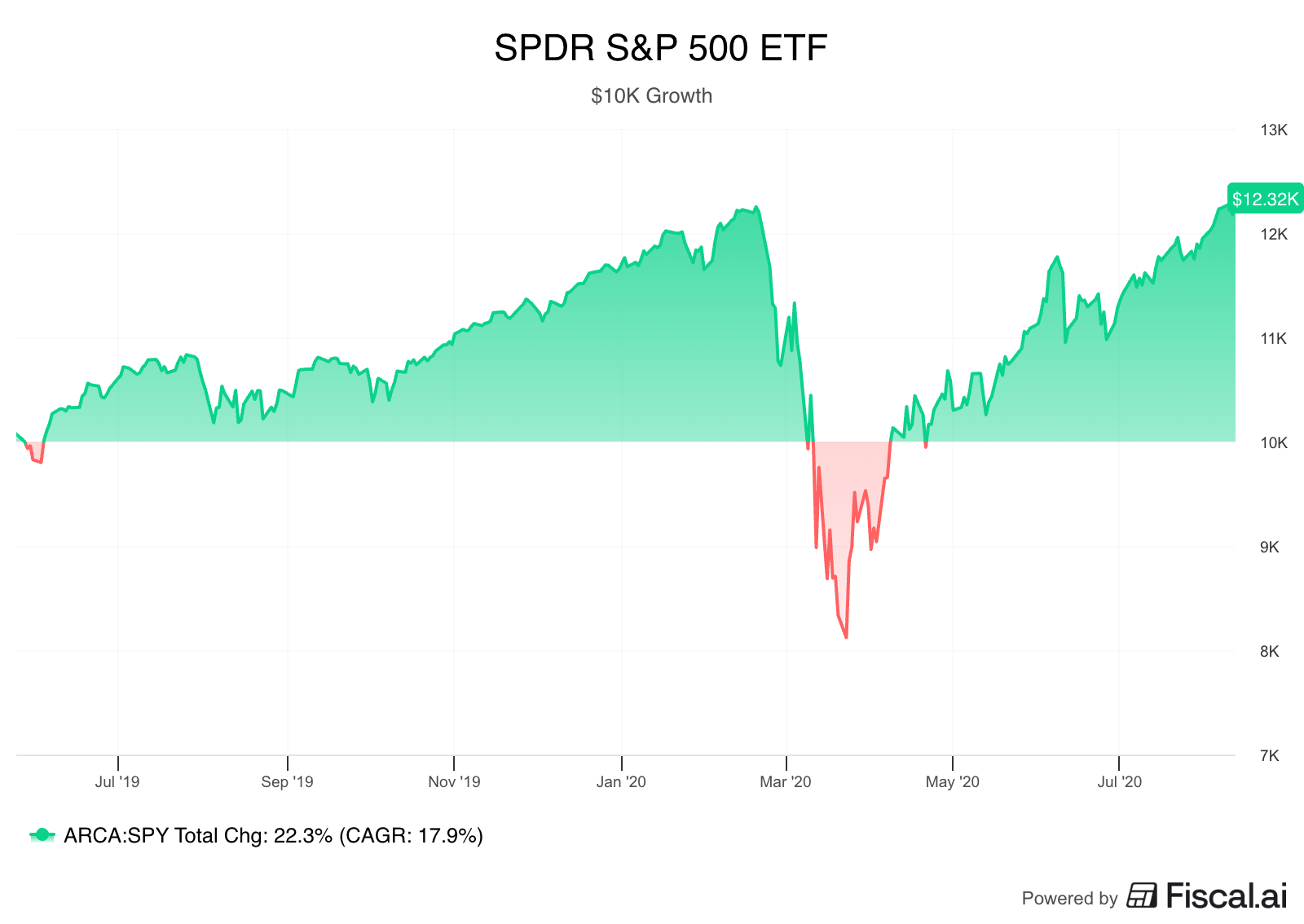
Those who waited ended up buying at higher prices, or worse, missing the move entirely.
And while they sat on the sidelines, dividend investors who bought locked in high staring yields.
The ones who held their ground kept collecting income through the recovery.
Timing the market sounds smart, but it usually means you just wait… and miss out. Time in the market is what really matters.
The lesson: Buy consistently over time, at fair prices, and let compounding do the heavy lifting. Time in the market beats timing the market.
That's it for today!
Dividend investing works best when you keep it simple:
- Don’t get blinded by high yields
- Focus on strong businesses
- Watch payout ratios
- Stop trying to time the market
Do that, and you’ll be miles ahead of most investors.
Used sources
- Interactive Brokers: Portfolio data and executing all transactions
- Fiscal.ai: Financial data
Disclaimer:
As a reader of Compounding Dividends, you agree with our disclaimer. You can read the full disclaimer here.