Why Most Dividend Investors Fail
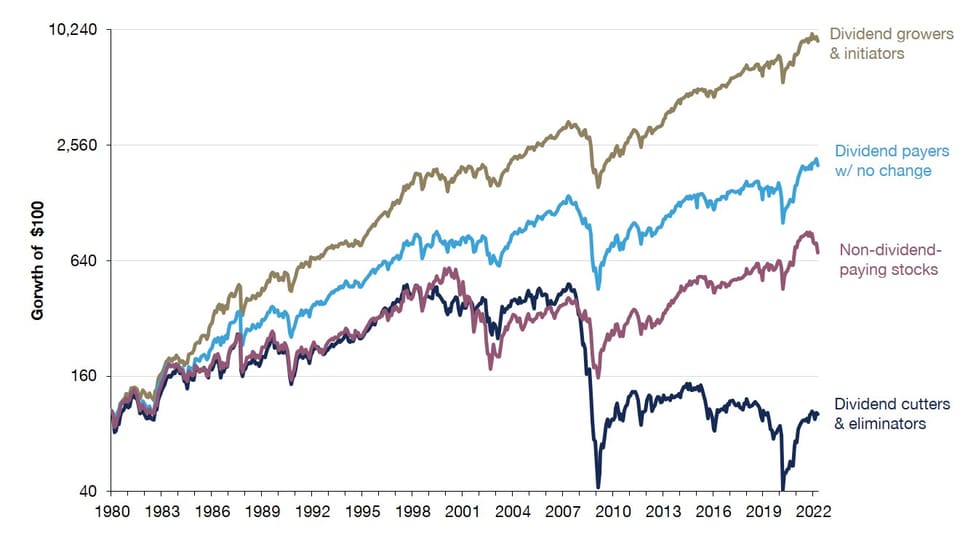
Dividend growth investing can be a powerful wealth-building strategy.
Companies that pay growing dividends tend to outperform.
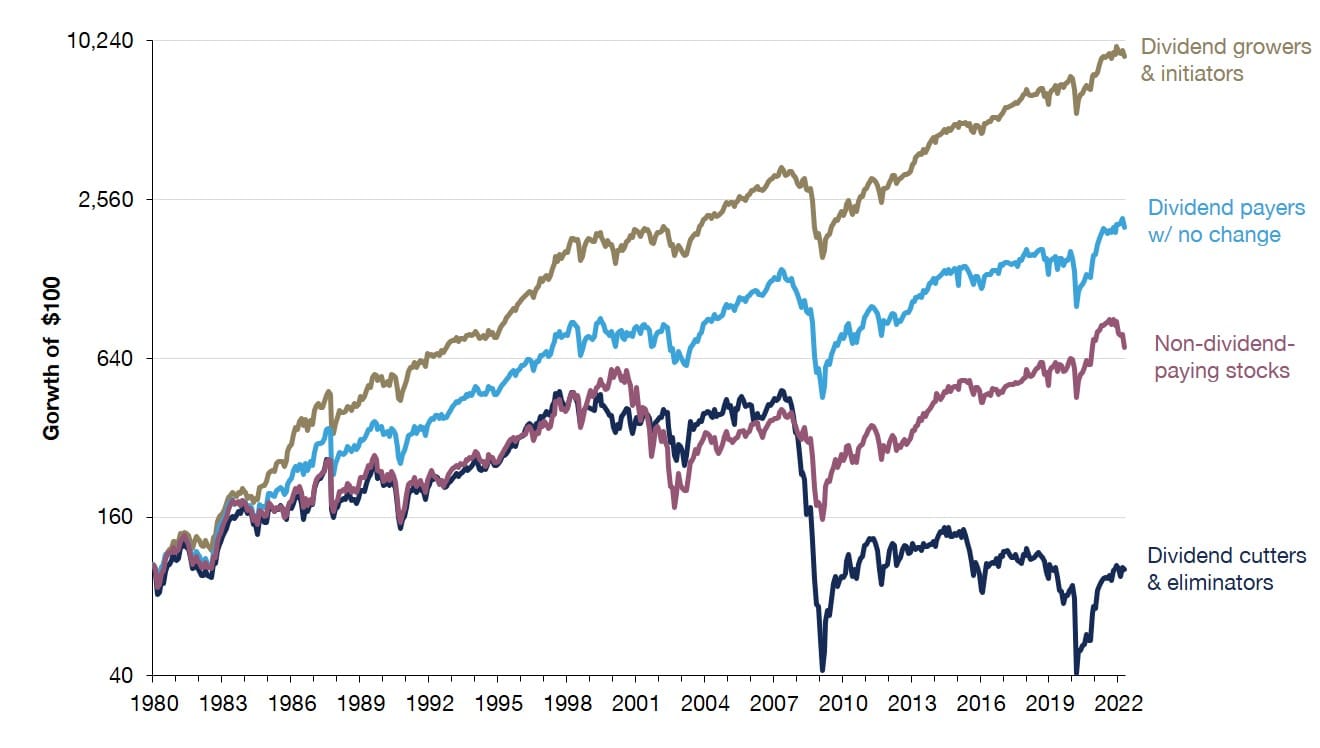
But companies that cut or eliminate their dividends perform poorly.
How can you invest in companies that will pay you growing dividends and avoid companies that cut or eliminate them?
Today I’m sharing 5 of the most common mistakes beginning dividend growth investors make, and how to avoid them.
Get these basics right, and you'll be on your way to building a successful, profitable dividend portfolio.
Let's dive in.
Mistake 1: Chasing High Yields
If a yield looks too good to be true, it probably is.
A high yield doesn’t always mean high risk, but it can signal a company in distress or unsustainably paying out too much of its earnings as dividends.
How to avoid it: Use the high yield to dig deep into the company’s finances before investing.
A few things to check:
The revenue and earnings
Are they increasing, flat, or decreasing?
How does that compare to the dividend payment?
The Payout Ratio
Is it too high?
Has it been rising?
The balance sheet
Is the company’s debt rising?
Are they using debt to fund the dividend?
Kraft Heinz had a dividend yield of close to 6% in 2018.
But the dividend was cut in 2019.
Investors who looked closely would have seen that Kraft Heinz was paying out more cash than it was earning.
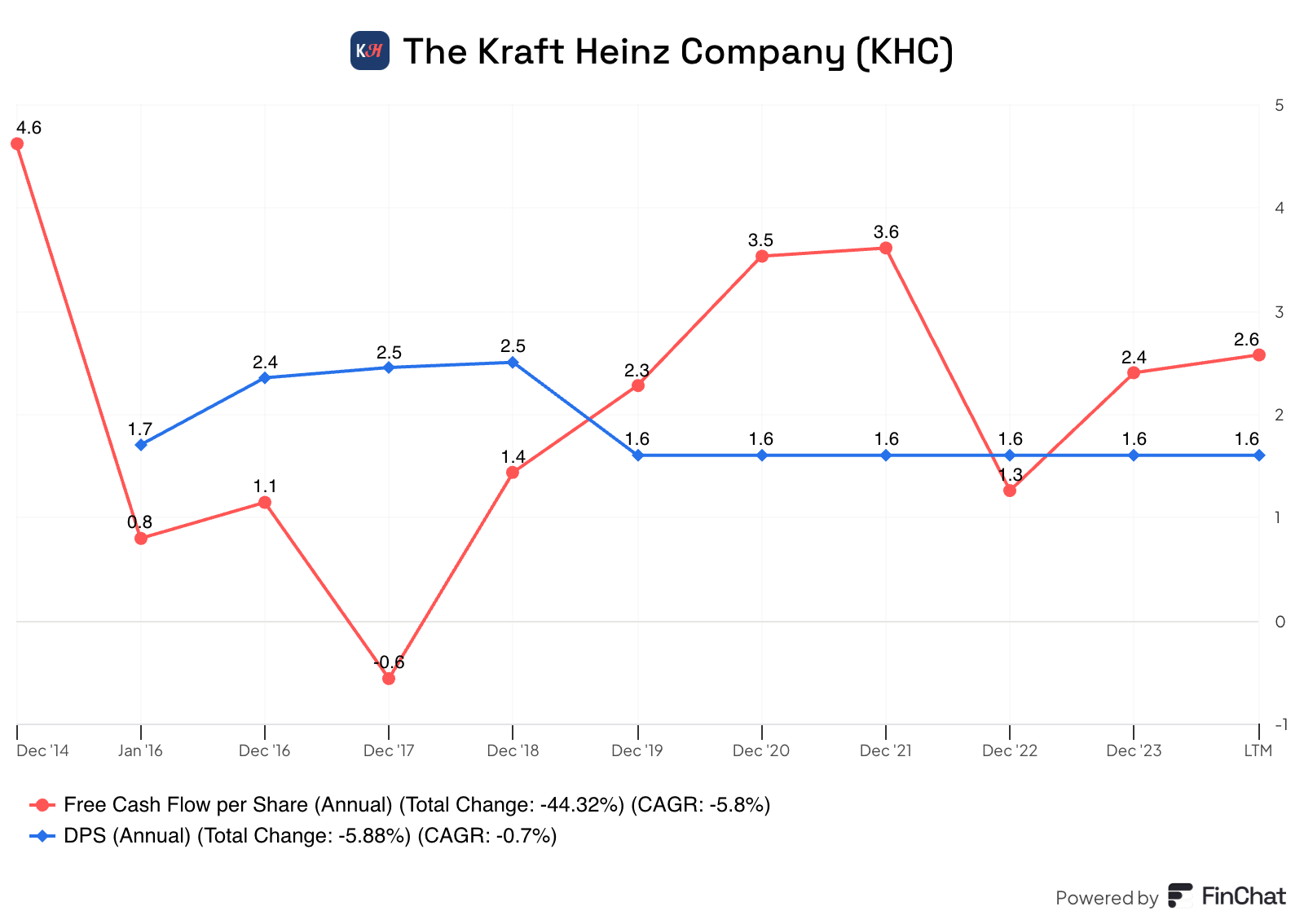
Source: Finchat
Mistake 2: Not Diversifying
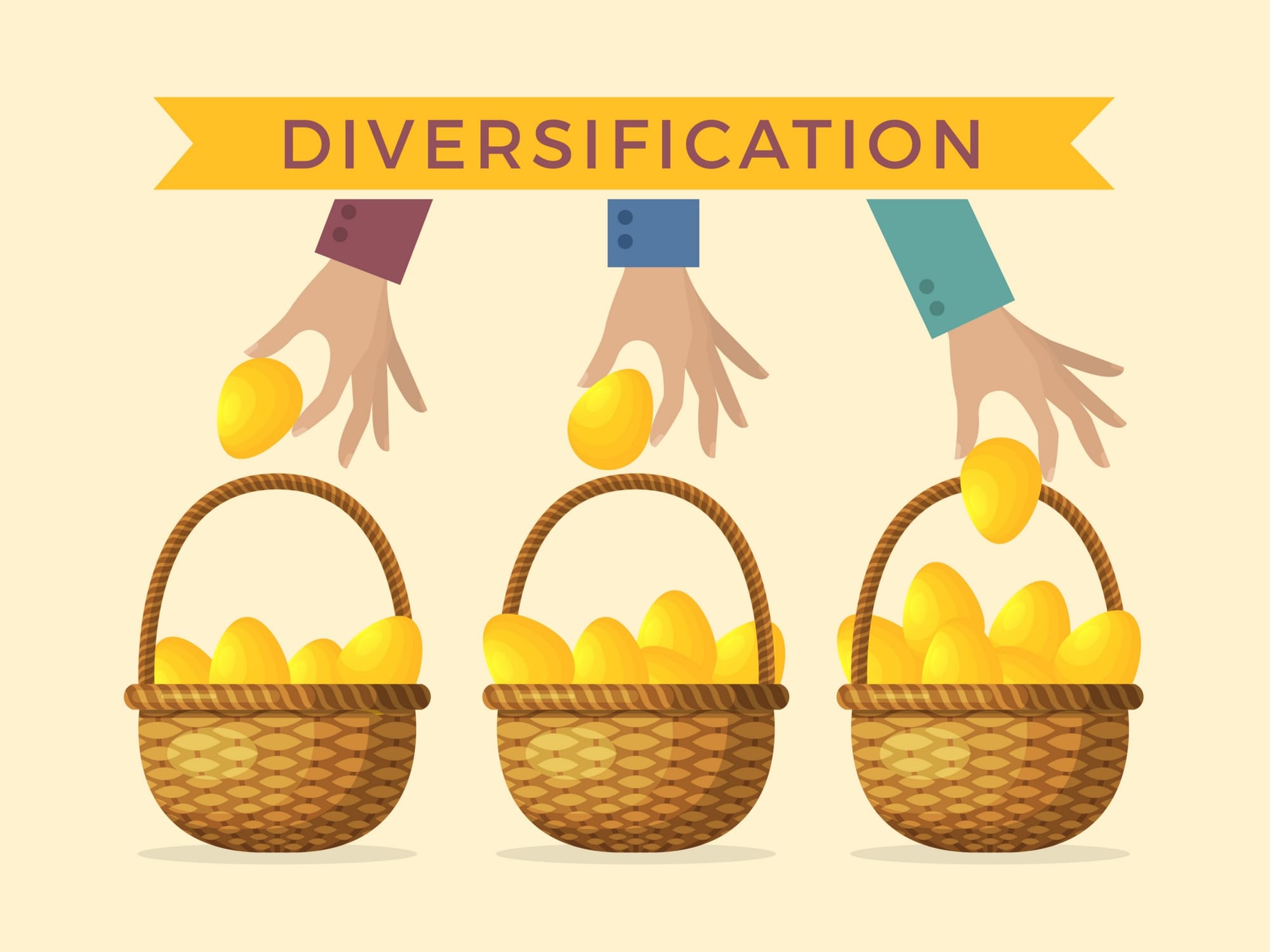
Putting too much of your portfolio into one stock or one sector is a common mistake.
How to avoid it: Spread your money across a few different companies and industries to reduce your risk.
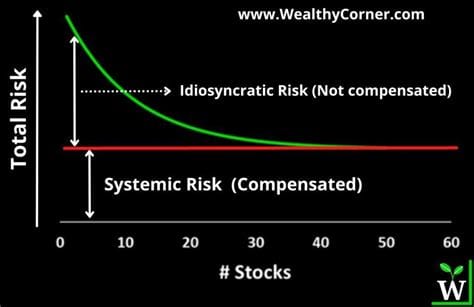
The image shows systemic and idiosyncratic risk versus the number of stocks in a portfolio.
Systemic risk is the overall risk in the economy and includes things like recessions, inflation, and market crashes.
Idiosyncratic risk, on the other hand, is the risk that is specific to a particular company - like bad management decisions, product failures, or regulatory changes.
Holding 20 to 30 companies greatly reduces idiosyncratic risks.
Mistake 3: Ignoring the Payout Ratio
The payout ratio is the percentage of earnings a company pays out in dividends.
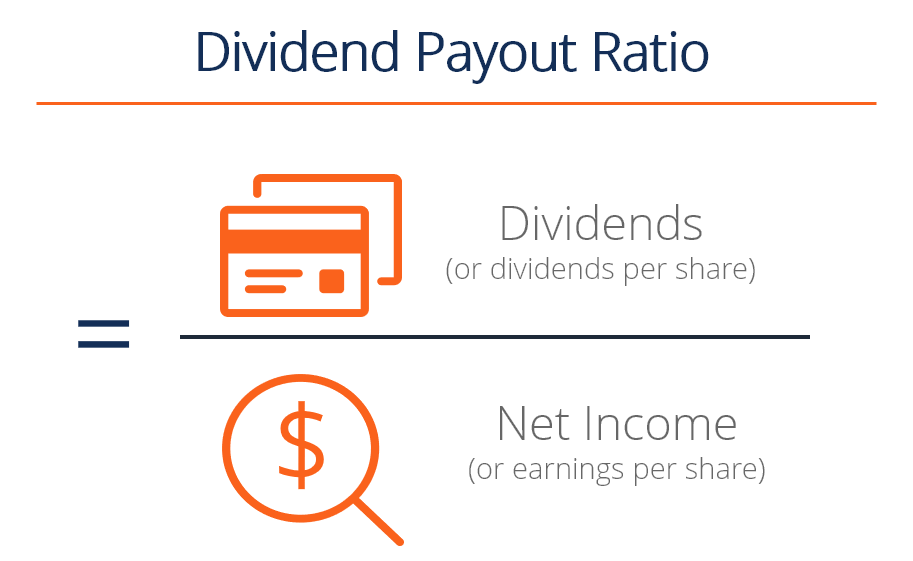
When this ratio gets too high, it’s a good indicator that the dividend is not sustainable.
How to avoid it: Set a maximum acceptable payout ratio
A few Payout Ratio tips:
- I like to see this number under 60% for most stocks
- Adjust for industry (REITs can go higher and use a different calculation)
- Track payout ratio trends
- Watch for large increases
Mistake 4: Focusing on Yield and Ignoring Growth
Sustainability and growth of dividends is what matters in the long run.
The image compares the dividends you would receive by investing in the S&P 500 Dividend Aristocrats and the Dow Jones U.S. Select Dividend Indexes.
The Dividend Aristocrats are companies that have consistently raised their dividend payments for at least 25 years.
The Dow Jones Select Dividend Index is made up of the U.S. stocks with the highest dividend yields.
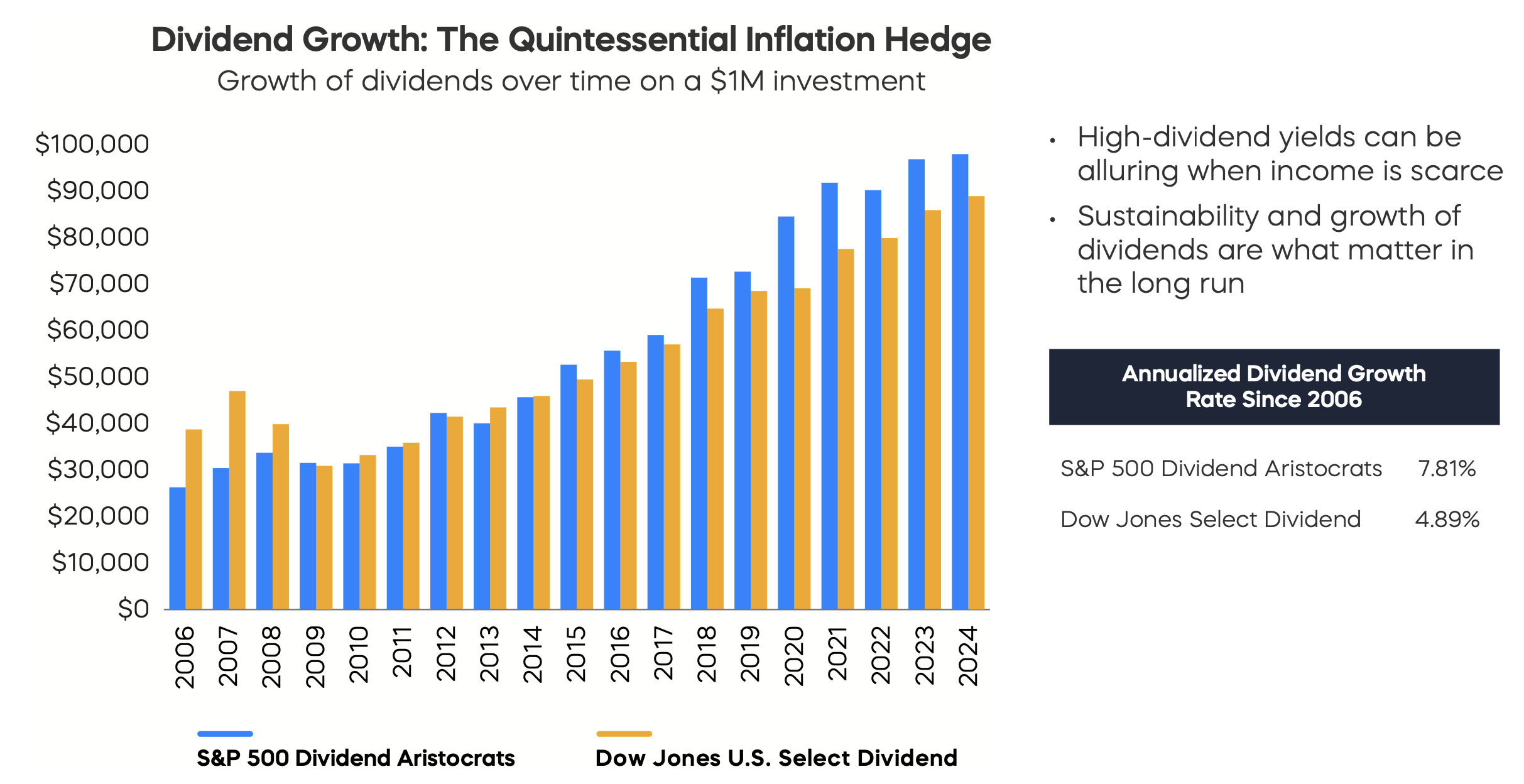
Companies that sustainably raise their dividends over time give you more income and a better total return.
What to Look For:
- 5-year Dividend Growth Rate above 5%
- Consistent Earnings Growth
- Low Payout Ratio with room to grow
- Strong cash flow
Mistake 5: Buying the Income Instead of the Business
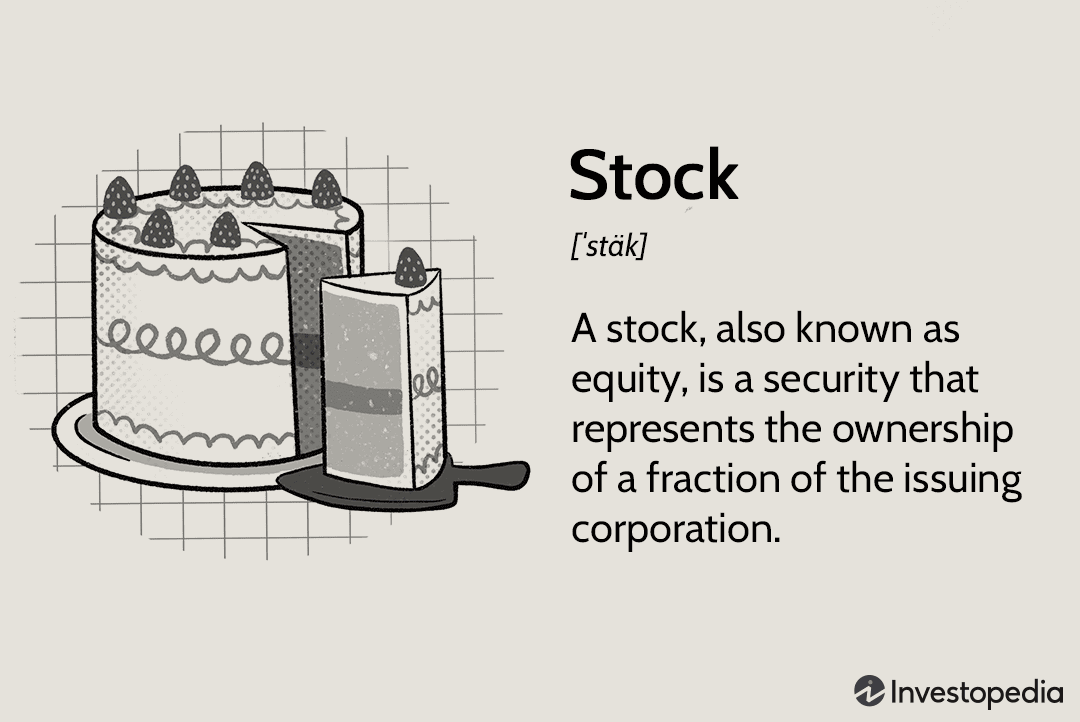
Dividend investing isn't about collecting quarterly payments – it's about owning great businesses.
Buy businesses that will keep growing profits and your dividend payments will go up too.
At a minimum you should:
- Read last 3 years of annual reports
- Understand the company’s competitive advantages
- Understand the industry it operates in
- Think about what can go wrong in addition to what can go right
The best way I know of to avoid this mistake?
Warren Buffett’s 10 year test:

That’s it for today
Here's what you learned:
- High yields can signal high risk
- Diversification protects your portfolio
- Payout ratios help you know the dividend is sustainable
- Dividend Growth is as important as Dividend Yield
- Buy businesses, not stocks or income
Thanks for reading Compounding Dividends! This post is public so feel free to share it.
PS… A lot of people have been asking this question:
“Is there a Compounding Dividends Community?”
Just so you know...
Up until now, the answer has been “not yet”.
One of the most popular features of Compounding Quality has been the Circle Community.
Many Partners of Compounding Quality think that the Community provides even more value than the newsletter itself.
I’m happy to tell you that the Compounding Dividends Circle Community will be launching soon!
BUT only Partners of Compounding Dividends will have access - subscribe today if you don’t want to miss out.
Used sources
- Interactive Brokers: Portfolio data and executing all transactions
- Finchat: Financial data